The Complete Guide to Street Poster Advertising in the UK (2026 Edition)
Street poster advertising is one of the most effective ways to dominate attention in busy urban environments. While digital channels fight for clicks, street posters put your brand directly in front of real people, in the places they move through every day.
From global brands to fast-growing startups, businesses use street posters to build visibility, create cultural relevance, and drive real-world impact at scale.
Get A Quote
What is Street Poster Advertising?
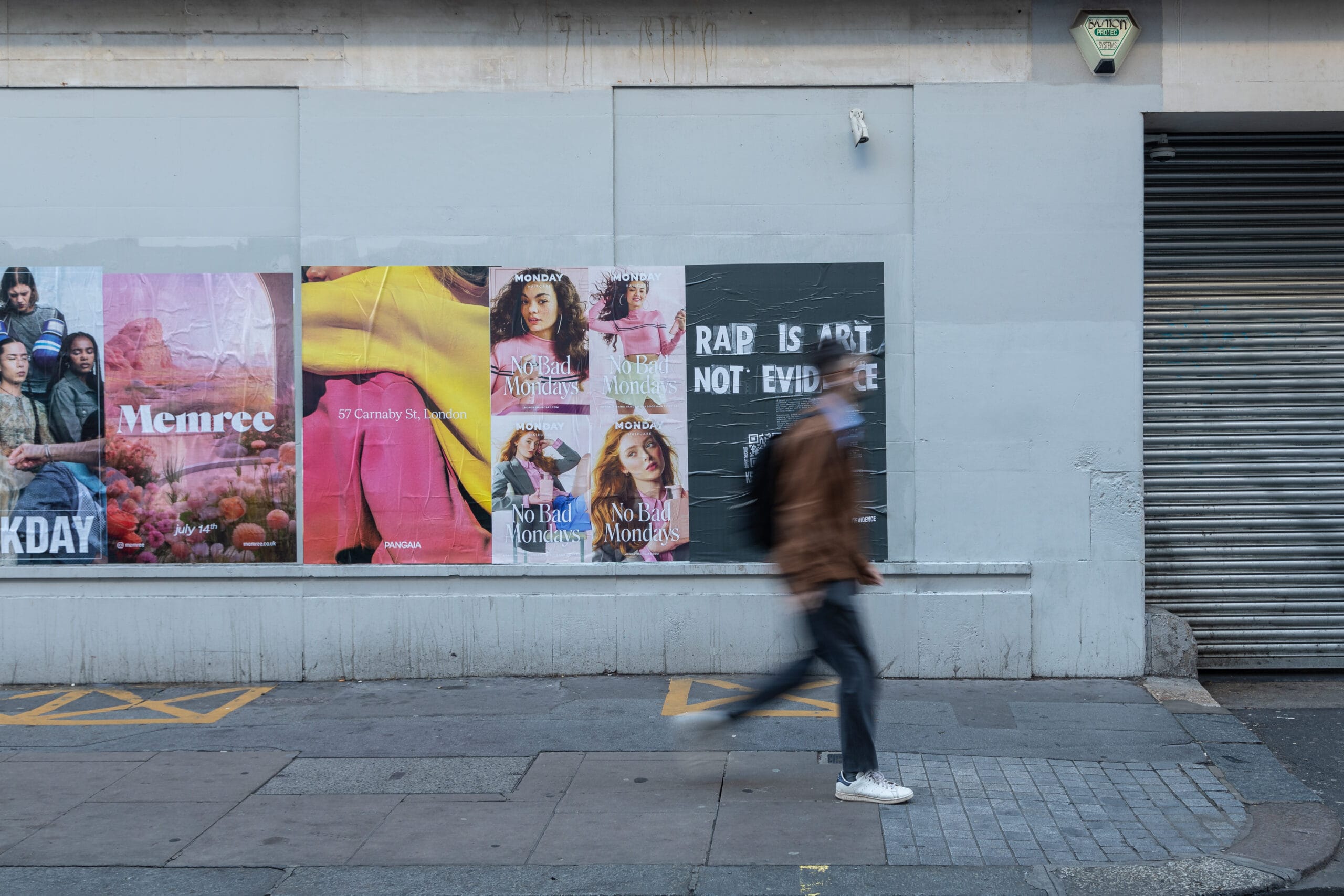
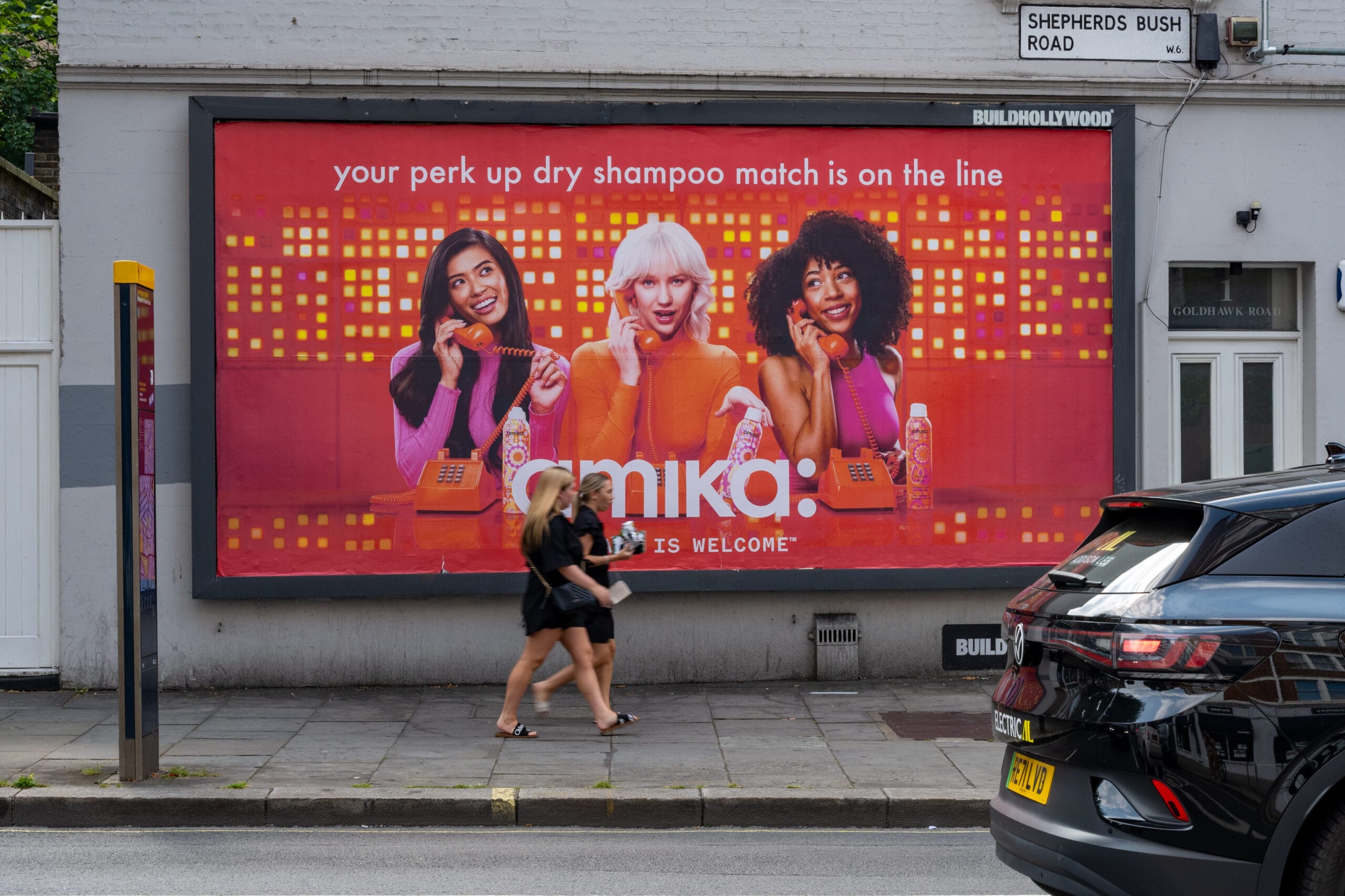
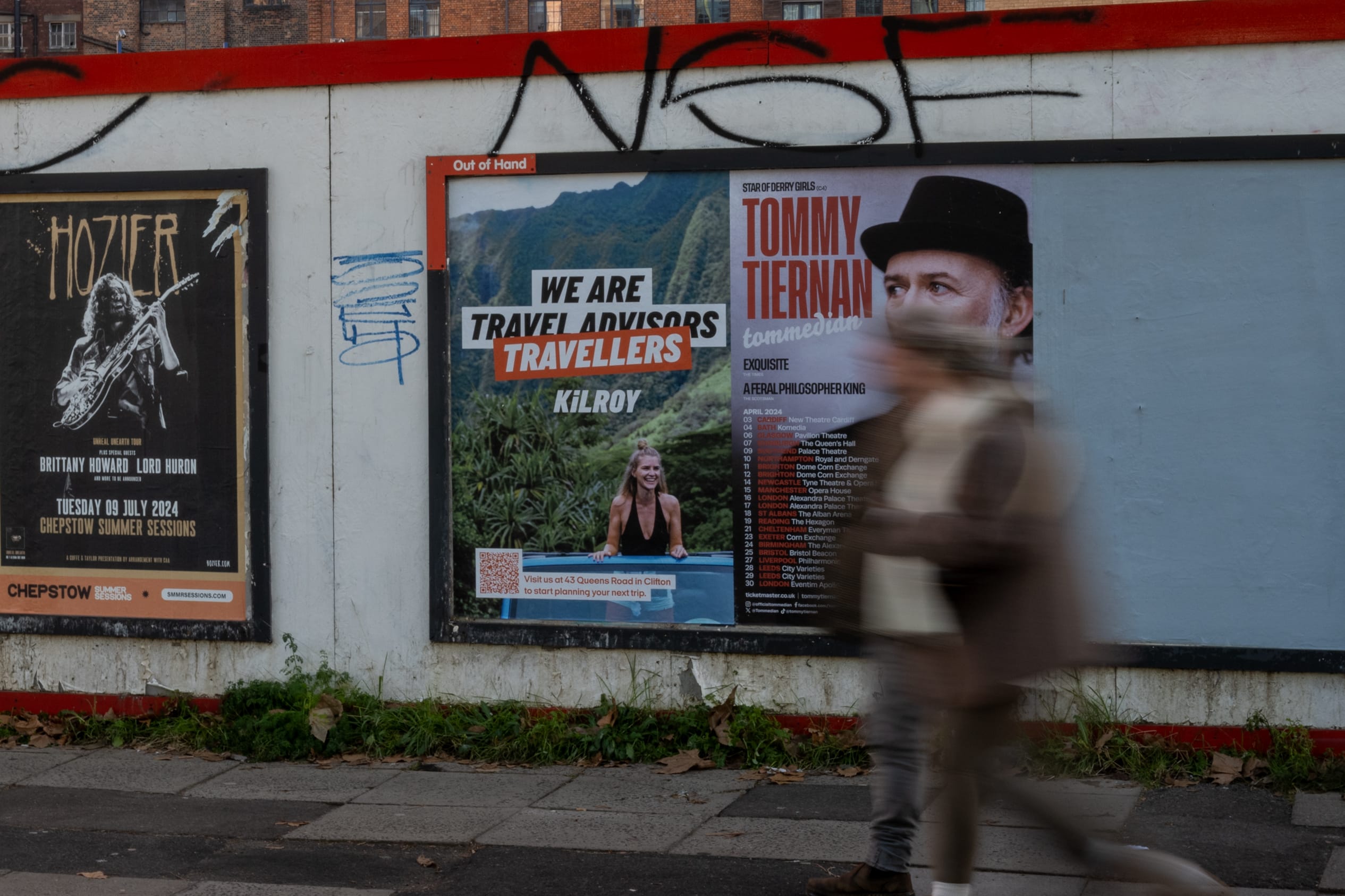
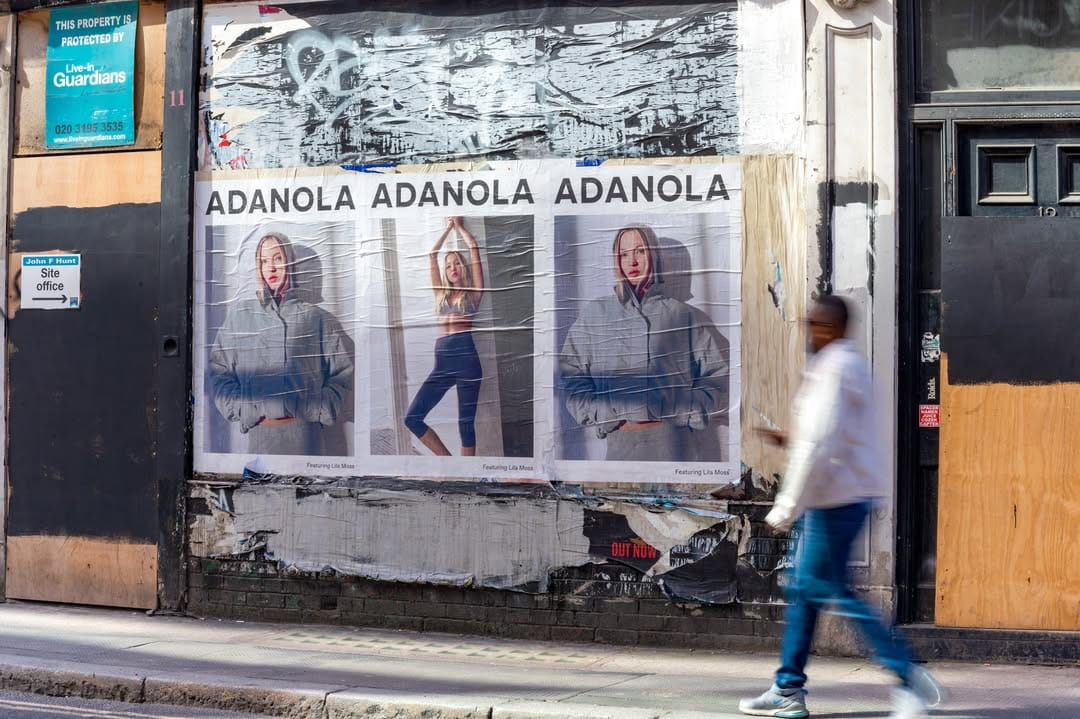
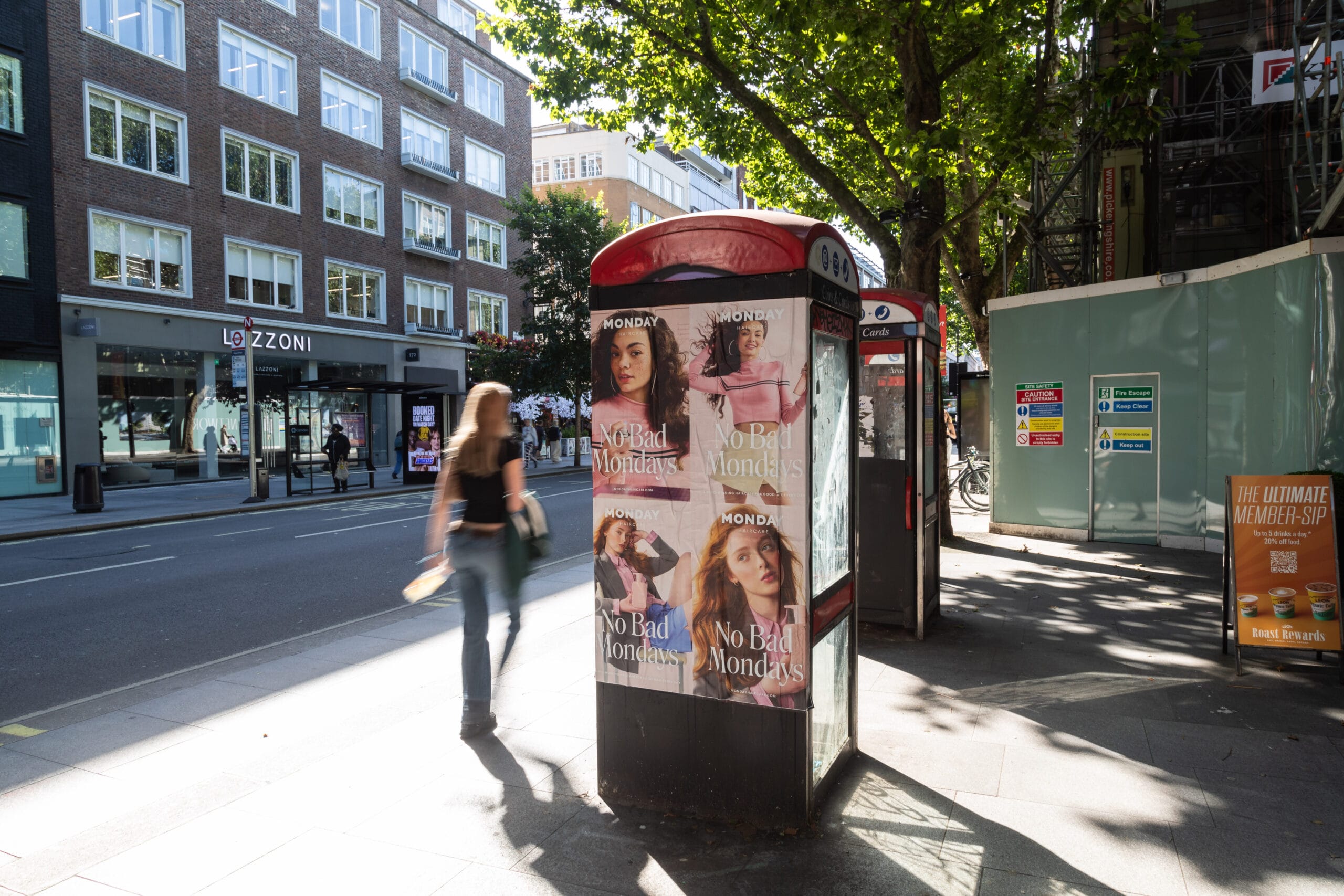
Street poster advertising is the strategic placement of printed posters across high-footfall urban environments. These campaigns are designed to put brands directly in front of their audience, in the places they move through every day.
Posters are typically installed on:
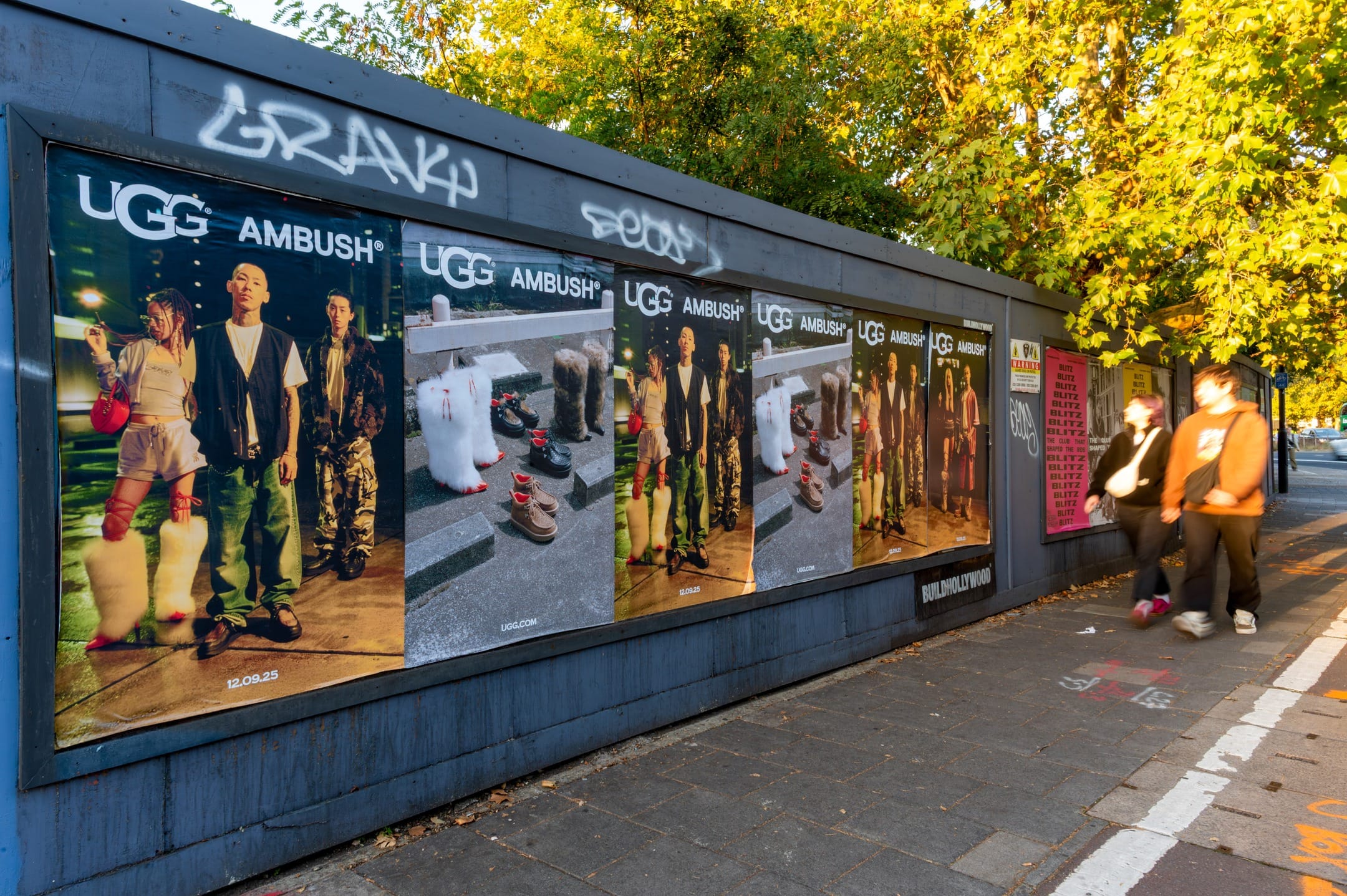
- Construction hoardings
- Railings and barriers
- Designated poster panels
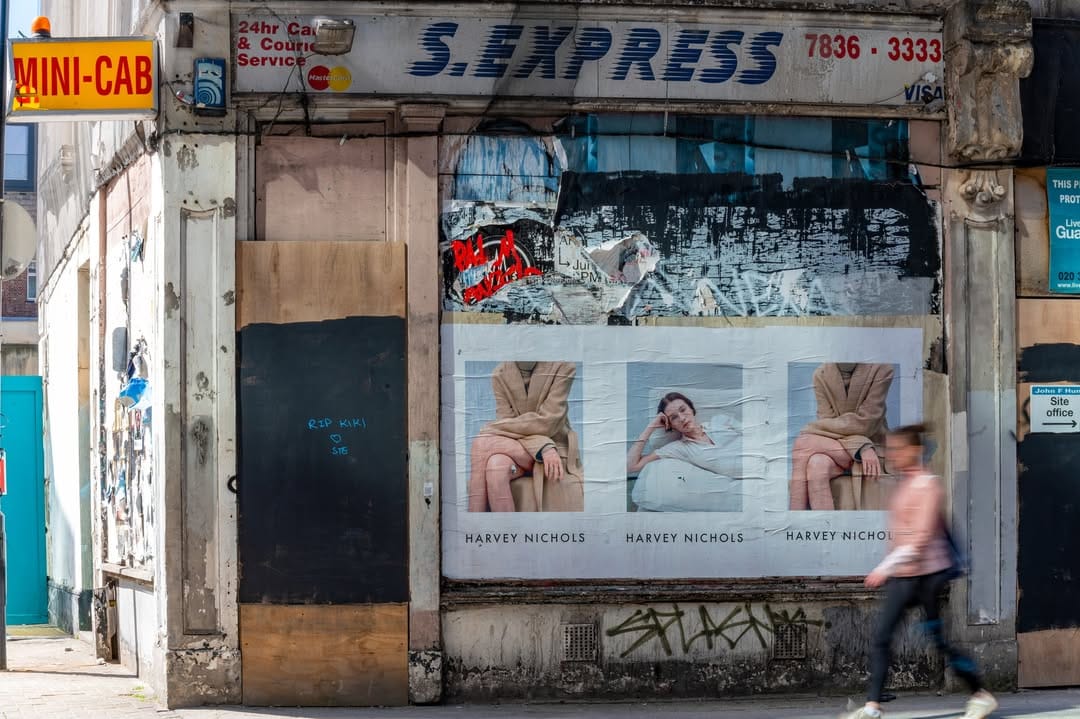
- Empty retail units or boarded spaces
At its core, street poster advertising is about visibility and repetition. By appearing consistently across key locations, brands build familiarity, recognition, and presence in the real world.
Street Posters vs Flyposting
You’ll often hear the term “flyposting” used interchangeably with street poster advertising. While they’re closely related, the difference is mainly in how the activity is structured and delivered.
- Flyposting is the traditional name for posting campaigns across urban environments, often associated with grassroots, high-impact coverage
- Street poster advertising refers to a more planned, scalable approach used by brands to deliver consistent visibility across key locations
In practice, both terms describe the same core format: posters placed in high-footfall areas to maximise exposure and repetition.
For brands, the focus is less on the terminology and more on the outcome. Well-executed street poster campaigns combine strong locations, high frequency, and bold creative to deliver real-world impact at scale.
Why Street Poster Advertising Works
Street posters remain one of the most effective ways to build awareness in a crowded media landscape. Their strength comes from a combination of visibility, frequency, and cultural relevance.
Real-World Visibility
Street posters exist in the physical world, where attention is harder to fragment. They can’t be skipped, blocked, or ignored in the same way as digital ads.
They’re seen naturally, as part of daily routines.
Frequency Builds Familiarity
Impact doesn’t come from a single impression. It comes from repeated exposure.
When audiences see the same creative multiple times across a neighbourhood, it builds recognition and reinforces brand memory.
Cultural Relevance
Street posters don’t feel like traditional advertising. When executed well, they feel part of the environment.
This is why they’re particularly effective for:
- Fashion brands
- Music and entertainment
- Events and nightlife
- Challenger brands
Cost-Effective Reach
Compared to many paid media channels, street posters offer a highly efficient way to achieve broad, repeated exposure, especially within targeted urban areas.
Where Street Posters Work Best in the UK
Street poster advertising is most effective in dense, high-footfall areas where audiences are active and engaged.
London
London is the UK’s most competitive and high-impact market for street posters. Key areas include:
- Shoreditch
- Soho
- Camden
- Brixton
These locations offer a mix of footfall, cultural influence, and trend-driven audiences.
Manchester
Manchester has become a major hub for street-level advertising, particularly for fashion, music, and lifestyle brands. Key areas include:
- Northern Quarter
- Ancoats
- Oxford Road corridor
Other Key Cities
Each city offers strong opportunities depending on your target audience and campaign goals.
Types of Street Poster Formats
Street poster campaigns can be tailored depending on budget, objective, and impact required. There are many different formats which can be utilised.
Standard Paste-Ups
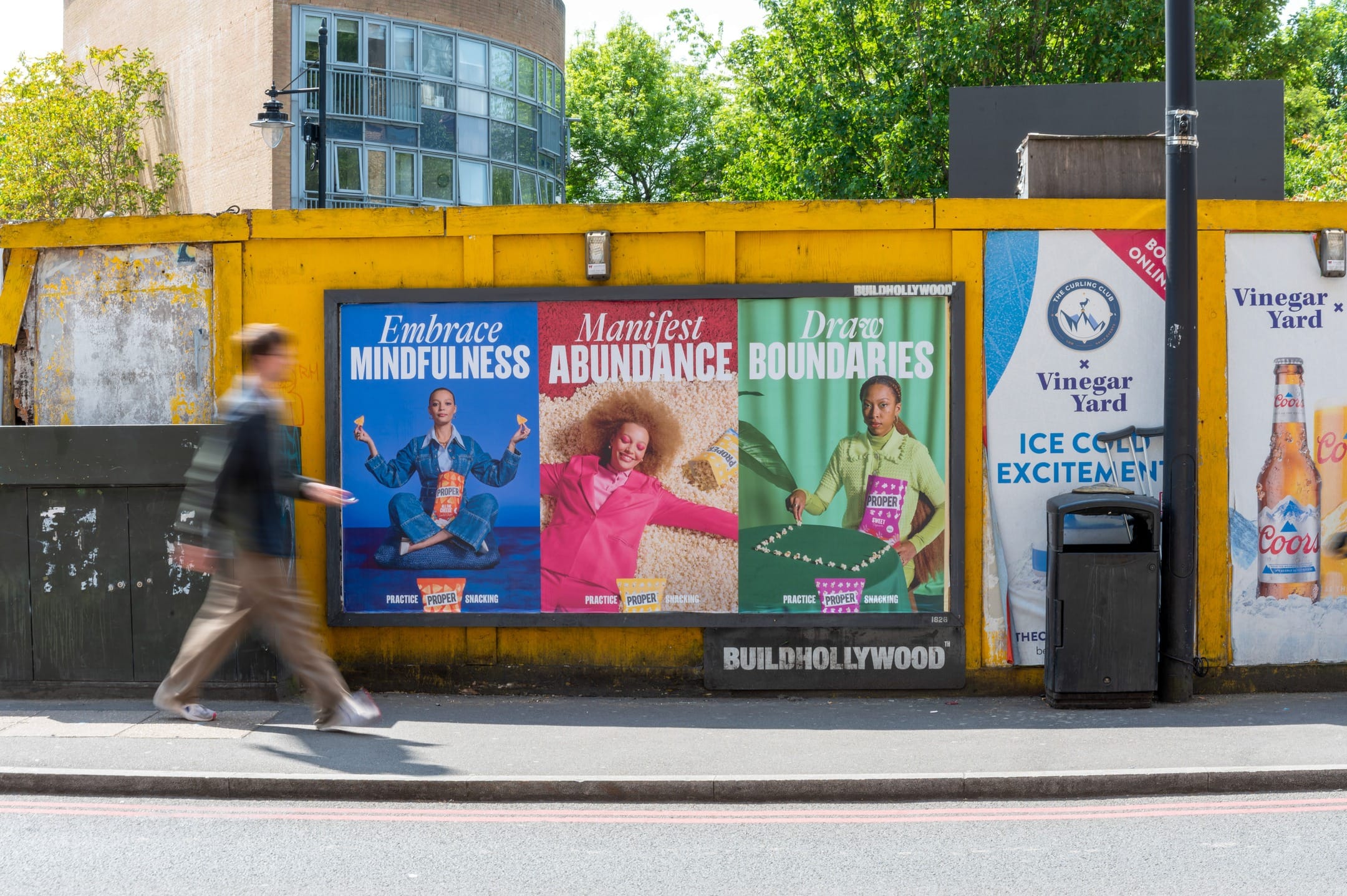
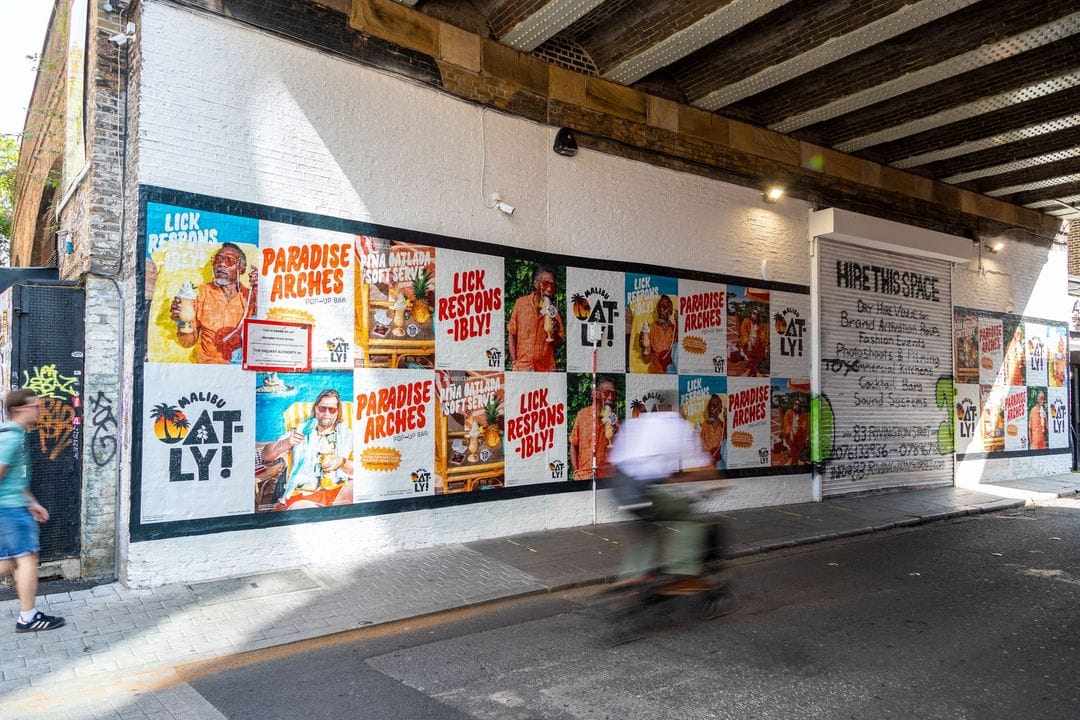
The most common format. Posters are installed in high volumes across multiple locations, creating repetition and coverage.
Large Format Posters
Bigger sites deliver stronger visual impact and are ideal for bold creative or high-profile campaigns.
Area Takeovers
A takeover involves saturating a specific area with posters, creating dominance and maximum visibility.
Creative Executions
More advanced campaigns may include:
- Layered or evolving posters
- QR codes or digital integrations
- Interactive elements such as tear-offs
How Much Does Street Poster Advertising Cost?
Costs can vary depending on scale, location, and format, but typical UK ranges are:
- Small campaigns: £3,000 – £10,000
- Mid-sized campaigns: £10,000 – £30,000
- Large campaigns: £30,000+
What Affects Pricing?
Several factors influence the final cost:
- City (London commands a premium)
- Number of sites
- Campaign duration
- Poster size and format
- Production and installation
As a general rule, more volume equals more impact. Cutting back too far on scale can reduce effectiveness.
How to Plan a Street Poster Campaign
A successful campaign comes down to smart planning and execution.
1. Define Your Objective
Start with a clear goal:
- Brand awareness
- Product launch
- Event promotion
This will shape your entire campaign.
2. Choose the Right Locations
Think about where your audience spends time. High footfall areas work well, but niche locations can be just as powerful if they align with your target market.
3. Set the Right Scale
Street posters rely on repetition. A higher number of placements increases visibility and recall.
4. Design Effective Creative
Your poster needs to communicate instantly. Most people will only glance at it for a few seconds.
Focus on:
- One clear message
- Strong visual hierarchy
- Bold typography
5. Time Your Campaign
Align your campaign with key moments such as:
- Product launches
- Events
- Seasonal peaks
Get A Quote
Take the first step towards powerful street-level advertising. Fill out your campaign brief below, including your target cities, campaign dates and budget. Our flyposting team will respond within 24 hours with strategic recommendations for your brand.